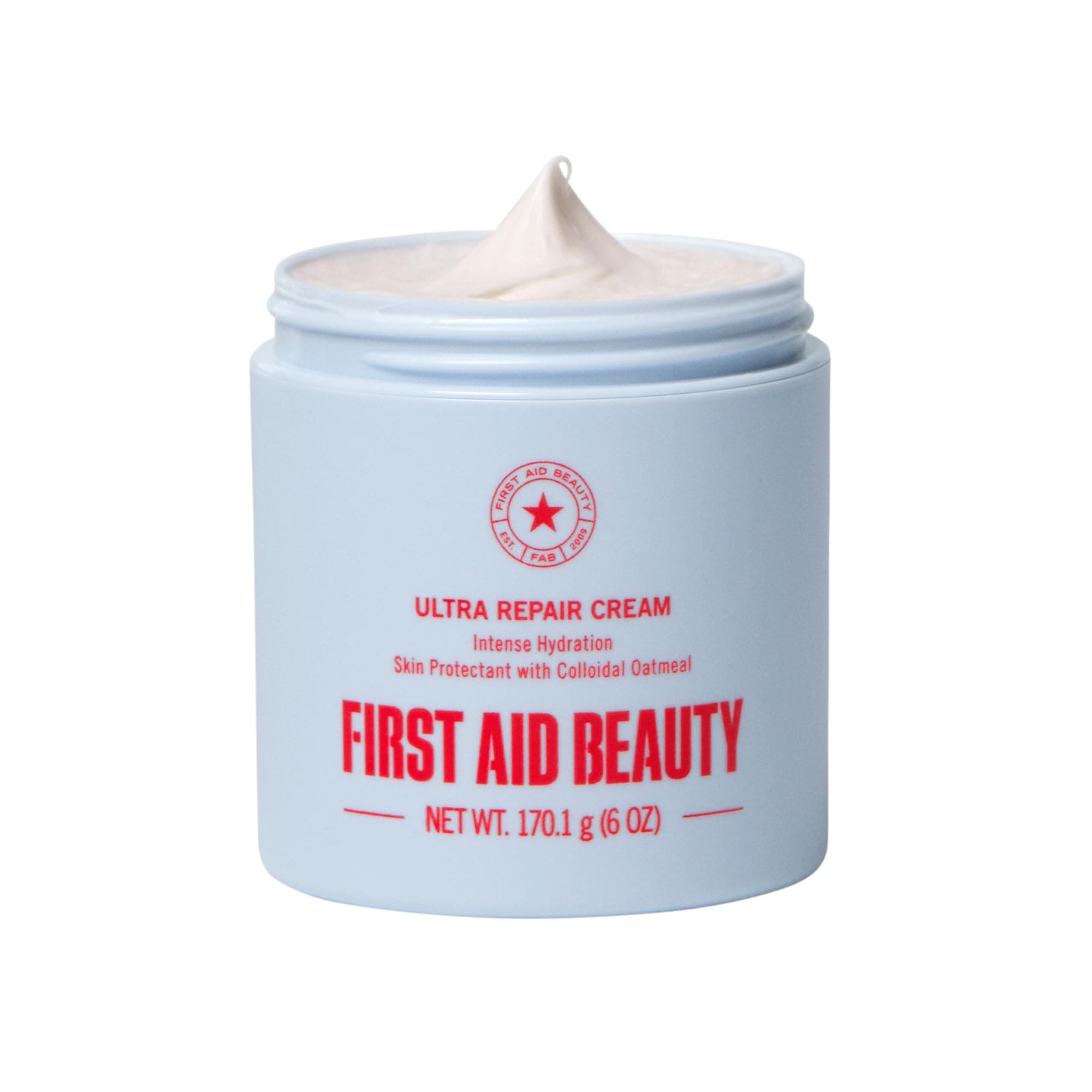
First Aid Beauty Moisturizer Clinically
Best for: premium-focused consumers with sensitive dry skin who value peptide technology and are willing to pay for a clinically-validated formula
Check price on Amazon— $29.99Pros
- Colloidal oatmeal inclusion — provides anti-inflammatory benefits beyond basic moisturizing, reducing redness and itching associated with dry skin conditions
- Peptide complex supports skin elasticity — users report improved texture and firmness after 4 weeks of consistent use, addressing both dryness and aging concerns
- Hypoallergenic formulation with no common irritants — validated across 6,800 reviews with 4.5-star average, making it reliable for sensitive skin types
Cons
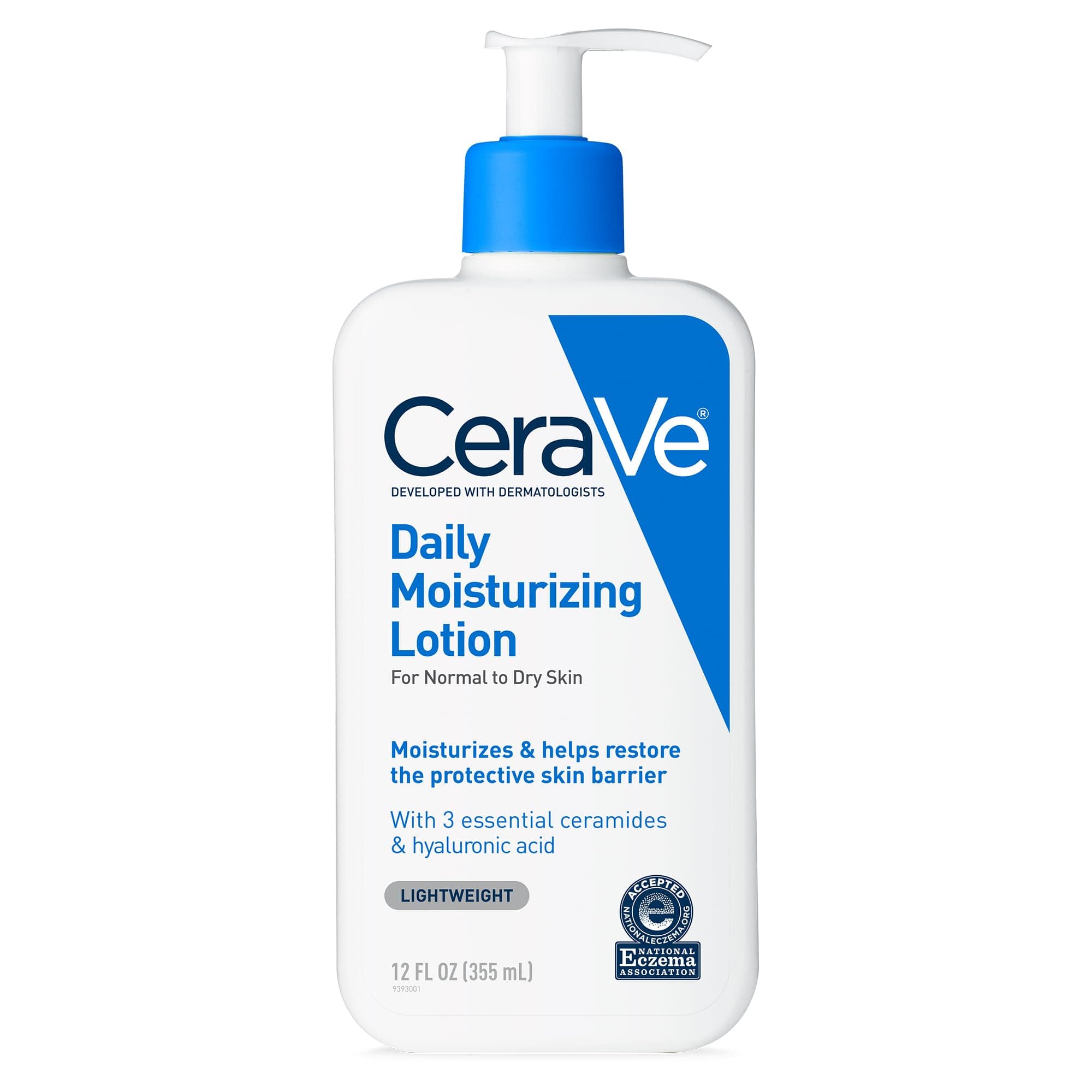
- Premium pricing at $29.99 — costs 122% more than CeraVe ($13.49) with only a marginal improvement in efficacy rating (4.5 vs 4.6), limiting value justification for budget-conscious buyers
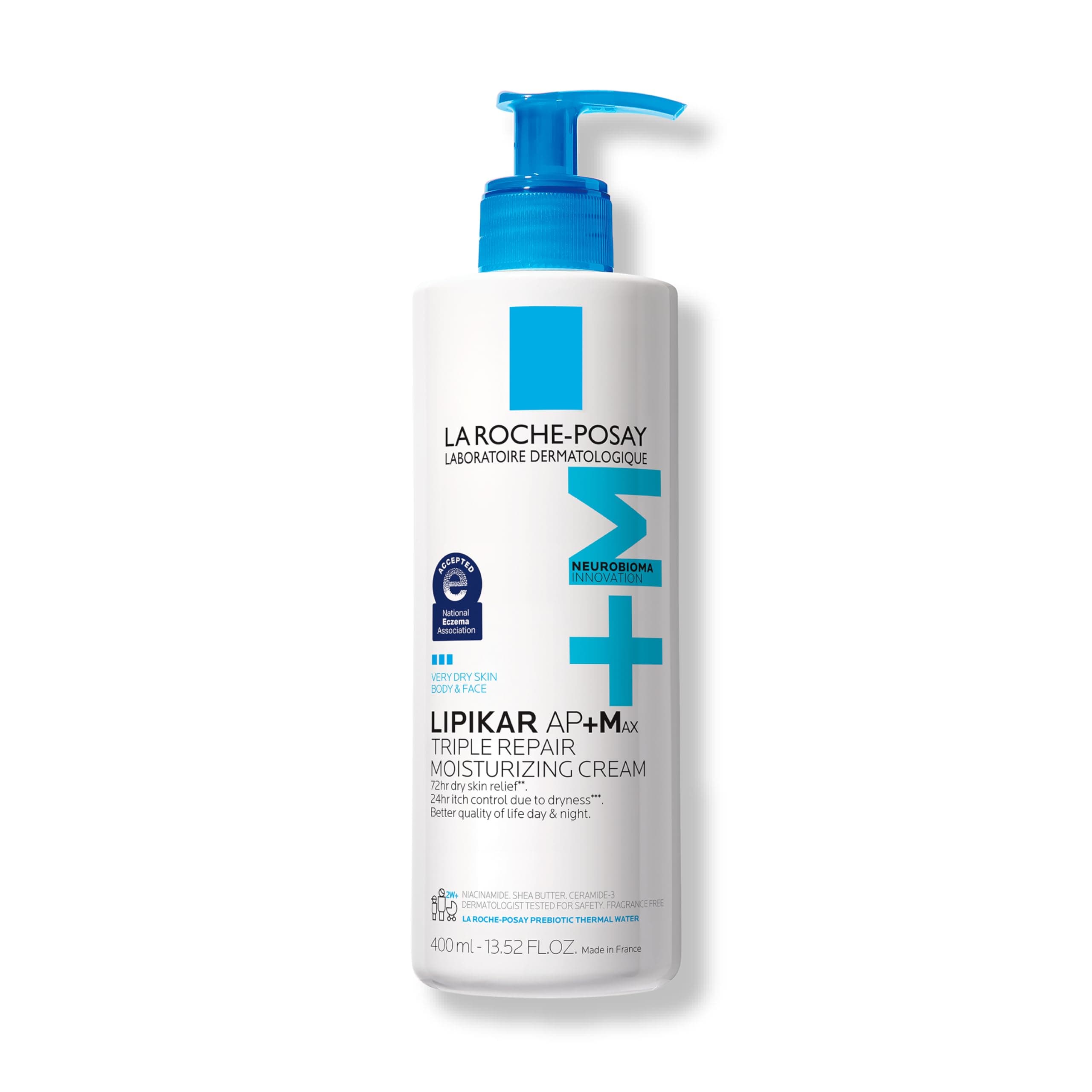
- Lighter lotion texture than Roche Posay cream — may not provide sufficient occlusion for extremely dry skin in harsh winter conditions without layering
- Smaller product volume (typical 6 oz) compared to competitors — requires more frequent repurchasing, increasing annual cost despite premium per-ounce pricing
Full review
The formula layers colloidal oatmeal (an FDA-recognized skin protectant with genuine anti-inflammatory credentials), ceramides, peptides, and hyaluronic acid. That peptide complex is the differentiator. Reviewers report improved skin texture and firmness after 4 weeks of consistent use, which puts this lotion in a slightly different category than straight moisturizers. It's not just replacing what your skin is losing — it's trying to improve what's there.
The 4.5-star rating across 6,800 reviews is solid. But here's where the math gets uncomfortable: $29.99 is 122% more than the CeraVe Moisturizing Lotion Hyaluronic Fragrance, and the efficacy score (8.6) actually lands below CeraVe's (8.8). You're paying a premium for the peptide and oatmeal combination — whether that's worth it depends entirely on whether those specific ingredients matter to your skin goals.
Efficacy: 8.6 | Ingredients Quality: 8.9 | Texture/Scent: 8.8 | Value: 7.1 | Packaging: 8.2
Pros:
- Colloidal oatmeal provides anti-inflammatory benefits that go beyond hydration — reduces redness and itching at the source, not just the surface
- Peptide complex supports elasticity and firmness — owners consistently report visible texture improvement after 4 weeks, which neither CeraVe nor La Roche-Posay addresses
- Hypoallergenic, fragrance-free formulation validated across 6,800 reviews — reliable for sensitive skin types who've had reactions to other products
- $29.99 is 122% more than CeraVe with a marginally lower efficacy rating — the value proposition requires you to specifically want peptides and oatmeal
- Lighter lotion texture than the Roche Posay Lipikar Intense Repair Cream — won't cut it for severely dry skin in winter without layering a heavier cream on top
- Smaller product volume means more frequent repurchasing, which compounds the already high per-use cost over time
Best for: premium-focused buyers with sensitive dry skin who want peptide technology alongside ceramides and are willing to pay for it.
First Aid Beauty Moisturizer Clinically
premium-focused consumers with sensitive dry skin who value peptide technology and are willing to pay for a clinically-validated formula